
Blog

Top Pneumatic Bending Machine Manufacturers?

Selecting the top Pneumatic Bending Machine manufacturers requires more than comparing catalog prices. Buyers must examine forming accuracy, air consumption, tooling compatibility, safety design, and after-sales support. A reliable machine should produce repeatable bends on the factory floor, not only impressive results in a showroom.

Industry data provides useful context. The International Federation of Robotics reported 541,302 industrial robots were installed worldwide in 2023, showing continued investment in automated production. This trend increases demand for bending equipment that integrates with robotic loading, programmable controls, and inspection systems. The U.S. Department of Energy also identifies compressed-air systems as a major industrial energy concern, with leakage and poor maintenance reducing efficiency. Therefore, pneumatic performance deserves the same attention as bending force.

Small details matter.

This guide compares leading manufacturers through practical criteria, including machine stability, cylinder response, frame construction, control accuracy, maintenance access, and documented performance. It also considers regional service networks and replacement-part availability, which often determine long-term productivity. Reports from the International Energy Agency and the European Association of the Machine Tool Industries reinforce the importance of efficiency and modern manufacturing investment, although they do not rank individual pneumatic bending brands. That limitation should be stated clearly. Market rankings can reflect sales visibility rather than engineering quality. Buyers should verify claims through factory audits, sample bending tests, technical datasheets, warranty terms, and independent user feedback. A manufacturer may appear strong on paper yet struggle with local support. This outline aims to separate measurable capability from polished marketing and identify manufacturers worthy of closer technical review.
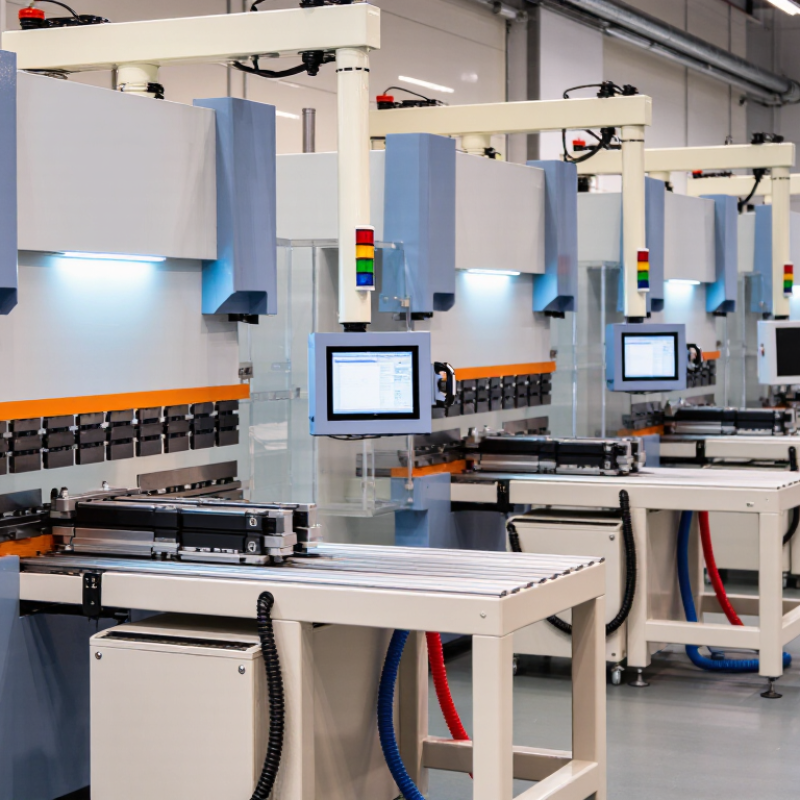
Top Pneumatic Bending Machine Manufacturers?

What Is a Pneumatic Bending Machine?

A pneumatic bending machine uses compressed air to move a cylinder, clamp, punch, or bending arm. Air pressure creates linear force through the actuator. The workpiece rests against a die while the tool forms a controlled angle. Unlike a hydraulic press brake, it usually suits lighter sheet metal, thin tubes, and repetitive workshop tasks. The term is sometimes used loosely. That can cause purchasing mistakes.

Force depends on cylinder bore, air pressure, stroke, tooling, and material strength. A 100 mm bore cylinder at 6 bar produces roughly 4,700 newtons before losses. Actual bending force is lower. Friction matters. The U.S. Department of Energy reports that compressed-air leaks can waste 20–30% of compressor output. Its industrial guidance also identifies compressed air as a costly utility, especially under poor maintenance. A 2024 industrial automation market report from MarketsandMarkets projects continued growth in pneumatic control demand, but growth does not guarantee suitability for heavy bending.

In practical use, inspect the regulator, hoses, valves, and die alignment before each shift. A pressure gauge should remain stable during repeated cycles. Operators should measure bend angle with a gauge, not rely only on the machine scale. Pneumatic motion is fast, but springback may remain noticeable in stainless steel. I have seen small angle errors multiply across production batches. Pneumatics also compresses under load, so positioning can feel less rigid than hydraulic equipment. That limitation deserves honest attention.

How Pneumatic Bending Machines Operate

Pneumatic bending machines use compressed air to shape sheet metal with controlled force. An air compressor fills the machine’s reservoir, while a regulator adjusts working pressure. When the operator presses the control pedal, a valve directs air into a cylinder. The piston then moves the upper tool toward the lower die.

The sheet rests against an adjustable back gauge before bending. The punch presses the material into the die, creating a measured angle. Pressure, stroke depth, material thickness, and die width all affect the result. Thin aluminum may require gentle pressure, while thicker steel needs a slower, stronger cycle. The machine releases air after reaching the set position, and springs or reverse airflow return the cylinder.

Keep hands away from the tooling area. Always check hoses, fittings, and pressure readings before production. A small air leak can reduce force and create inconsistent bends. Moisture in the air line may also damage valves over time. In practical use, operators often test one offcut before running a full batch. That habit saves material. It is not foolproof, though. Harder alloys may spring back more than expected, so the angle sometimes needs correction after inspection. Maintenance records, calibrated gauges, and clear operating training help manufacturers and users maintain reliable performance.

Key Criteria for Comparing Leading Manufacturers

Comparing leading pneumatic bending machine manufacturers requires more than checking maximum pressure. Start with repeatability, frame rigidity, and working width. A machine may promise high force, yet produce uneven bends on thin stainless steel. Ask for test samples using your actual material, thickness, and bend radius. Measure the angle at three points, not just the center.

Automation deserves close attention. The International Federation of Robotics reported 4,281,585 industrial robots operating worldwide in 2023, a 10% annual increase. This trend makes controller compatibility, automatic back gauges, and data connectivity practical evaluation criteria. Check whether the machine records cycle counts, alarm history, and maintenance intervals. Small details matter.

Reliability also depends on service depth. Compare response times, spare-parts availability, training, and warranty exclusions. ISO 230-2 offers a recognized framework for evaluating positioning accuracy and repeatability, while ISO 12100 supports machinery risk assessment. Request measured results, not attractive claims. Total cost should include air consumption, tooling, calibration, and downtime. A lower purchase price can become expensive after one neglected valve failure. Weaker point? Buyers often overlook operator feedback. A noisy control panel or awkward foot pedal can quietly reduce daily output. My judgment would remain provisional until production trials confirm the numbers.

Top Pneumatic Bending Machine Manufacturers by Specialization

Top Pneumatic Bending Machine Manufacturers by Specialization

Pneumatic bending machine manufacturers often serve different production needs, not one universal market. Some specialize in light-gauge sheet metal for electrical cabinets, ventilation parts, and small enclosures. Their machines usually emphasize fast cycling, simple die changes, and stable pressure control. Compact designs suit workshops with limited floor space.

Other manufacturers focus on tube and profile bending. They may offer adjustable tooling, programmable stops, and stronger frame construction for repeated angles. These features matter when producing handrails, furniture frames, or automotive supports. Precision-focused suppliers usually invest in pressure sensors, calibrated gauges, and tighter quality checks. Small errors become visible quickly.

Custom automation is another specialization. These manufacturers integrate feeding systems, digital controls, and inspection steps for higher-volume factories. Buyers should examine cycle tests, air consumption, tooling compatibility, and spare-parts availability. A polished catalog proves little. Factory acceptance testing matters more.

I once overlooked compressor capacity during a machine comparison. The quoted bending force looked sufficient, but the air demand could slow production. That was a useful correction. Reliable manufacturers explain limitations clearly, provide training, and document maintenance intervals. Ask for sample bends using your actual material. The result may reveal more than a sales specification.

Top Pneumatic Bending Machine Manufacturers by Specialization
Specialization Profile Primary Machine Type Typical Workpiece Common Material Range Key Technical Features Best-Fit Applications Main Buying Criteria
Thin-Sheet Precision Bending Pneumatic press brake or pneumatic folding machine Flat metal sheets, small panels, covers, and brackets Aluminum Mild steel Stainless steel Low-force forming, adjustable stroke, compact tooling, and repeatable angle control Electrical enclosures, HVAC panels, light fabrication, and laboratory equipment Angle repeatability, back-gauge accuracy, tool compatibility, and sheet-thickness capability
High-Speed Production Bending Air-powered production bender with automated material handling Repeated small and medium-sized components Thin steel Aluminum Coated sheet Fast actuation, short cycle time, pneumatic clamping, and programmable operation Automotive parts, appliance components, lighting products, and contract manufacturing Cycle time, duty rating, automation interfaces, safety controls, and maintenance access
Tube and Pipe Bending Pneumatic tube bender or pneumatic-assisted rotary draw bender Round tubes, square tubes, and small pipe assemblies Carbon steel Stainless steel Copper Aluminum Mandrel or non-mandrel bending options, adjustable bend angle, and interchangeable dies Furniture frames, handrails, vehicle components, plumbing assemblies, and heat exchangers Maximum outside diameter, minimum bend radius, wall-thickness control, and die availability
Heavy-Duty Structural Bending Pneumatic-hydraulic or air-assisted profile bending machine Channels, angles, flat bars, profiles, and thicker sections Carbon steel Structural steel Stainless steel High forming force, reinforced frame, controlled deformation, and heavy-duty tooling Construction components, machine frames, agricultural equipment, and industrial fabrication Maximum section size, forming force, frame rigidity, tool life, and overload protection
Custom-Tooling Bending Modular pneumatic bending system with application-specific tooling Non-standard profiles, short runs, and specialized assemblies Steel Aluminum Brass Copper Quick-change dies, custom fixtures, adjustable tooling height, and flexible machine setup Prototype production, repair workshops, custom fabrication, and low-volume manufacturing Tooling design support, changeover time, engineering service, and prototype capability
CNC-Assisted Pneumatic Bending Pneumatic machine with CNC angle, stroke, or back-gauge control Repeated parts requiring consistent multi-step bends Mild steel Stainless steel Aluminum Digital recipe storage, programmable sequences, sensor feedback, and operator guidance Precision fabrication, multi-bend assemblies, electronics housings, and batch production Control resolution, software usability, data storage, sensor integration, and training support
Compact Workshop Bending Bench-mounted or floor-standing pneumatic bending machine Small sheets, rods, tubes, and light profiles Aluminum Mild steel Copper Small footprint, simple controls, low compressed-air demand, and easy installation Maintenance shops, vocational schools, small fabricators, and general repair work Machine footprint, air consumption, electrical requirements, operator safety, and serviceability
Automated Cell Integration Pneumatic bending unit integrated with a robotic or transfer system High-volume standardized components Sheet steel Stainless steel Aluminum Robot interfaces, automatic loading and unloading, guarding, sensors, and production monitoring Mass production, automotive supply chains, appliance manufacturing, and centralized fabrication plants Integration protocol, uptime, safety certification, throughput, preventive maintenance, and technical support

Note: Capability ranges and machine configurations vary by model, tooling, material grade, compressed-air pressure, and manufacturer design. Buyers should verify rated force, maximum workpiece size, air consumption, safety compliance, and test-bending results before purchase.

How to Select the Right Manufacturer for Your Needs

Selecting a pneumatic bending machine manufacturer starts with your workpiece, not its catalog ranking. Define sheet thickness, bend angle, batch size, air pressure, repeatability, and floor space. Ask for a trial using your own material. A clean showroom sample proves little. Request measured angle variation, cycle time, and pressure readings from three runs. The International Federation of Robotics reported 541,302 industrial robots installed worldwide in 2023, according to World Robotics 2024. This growth makes controls, interfaces, and future integration worth checking.

Audit the manufacturer’s quality evidence. ISO’s ISO Survey 2023 recorded more than 1.2 million ISO 9001 certificates worldwide, but certification alone cannot confirm bending accuracy. Review calibration records, material controls, nonconformance procedures, and traceable test reports. Ask who services valves, cylinders, sensors, and controllers after installation. Get written response times and spare-parts availability. Small details matter. A two-day delay can stop a short production run.

Compare total ownership cost, not only the purchase quote. Include installation, air consumption, tooling, operator training, maintenance, and likely downtime. Check safety guarding, emergency stops, risk assessments, and conformity documents for your market. Contact two users with similar workloads, then ask about failures, not compliments. I would test low-volume and near-capacity jobs because demonstrations often show the easiest bend. Leave room for doubt. A supplier that welcomes independent inspection and explains rejected samples may be more dependable than one offering impressive promises.

Go to Top